Health benefits of Arugula
Edit Posted by Helth
Health benefits of Arugula
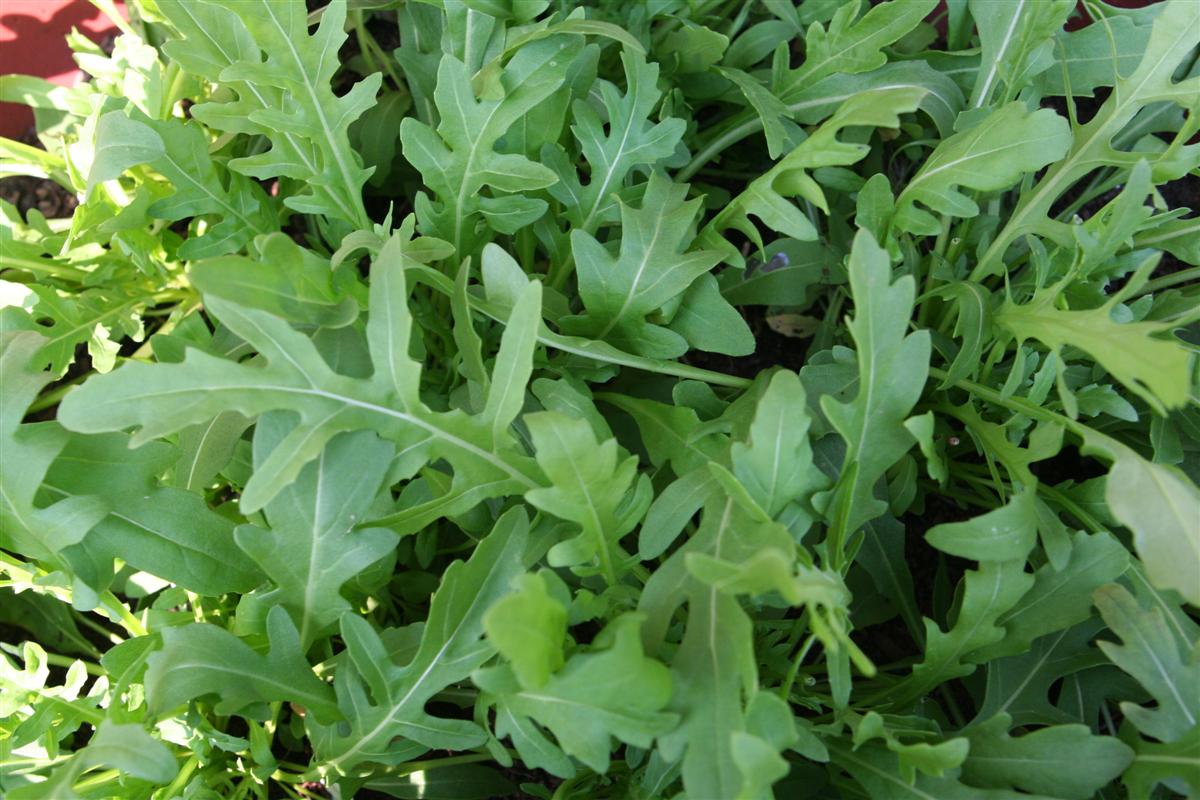
Arugula is a leaf vegetable. Also called rocket, roquette, and rucola, arugula is peppery and aromatic.  The leaves are longer and more open than lettuce. It has a rich, peppery taste, and an exceptionally strong flavor for a leafy green. You can grow arugula from seeds that you plant in your garden or even in a pot on your porch. It has been grown in the Mediterranean area since Roman times. belonging to the same family as cress, radish and mustard. Arugula's strong flavor is reminiscent of cress. In Roman times arugula was grown for both its leaves and the seed. The seed was used for flavoring oils. Like other greens, arugula is most nutritious when eaten raw and should be juiced or well-blended for optimal nutrient digestion and assimilation.  Add it to a salad for a spicy kick. 


1. As in other greens, arugula is one of very low calorie vegetable. 100 g of fresh leaves provides just 25 calories. Nonetheless, it has many vital phytochemicals, antioxidants, vitamins, and minerals that can immensely benefit health.

2. Rocket salad is rich source of certain phytochemicals such as indoles, thiocyanates, sulforaphane and iso-thiocyanates. Together they have been found to counter carcinogenic effects of estrogen and thus help benefit against prostate, breast, cervical, colon, ovarian cancers by virtue of their cancer cell growth inhibition, cytotoxic effects on cancer cells.

3. In addition, di-indolyl-methane (DIM), a lipid soluble metabolite of indole hasimmune modulator, anti-bacterial and anti-viral properties ( by potentiating Interferon-Gamma receptors and production). DIM has currently been found application in the treatment of recurring respiratory papillomatosis caused by the Human Papilloma Virus (HPV) and is in Phase III clinical trials for cervical dysplasia.

4. Rocket is very good source of folates. 100 g of fresh greens contain 97 mcg or 24% of folic acid. When given around conception period it helps prevent neural tube defects in the newborns.

5. Like kale, salad rocket is an excellent source of vitamin A. 100 g fresh leaves contain 1424 mcg of beta carotene and 2373 IU of vitamin A. Beta carotenes converts into vitamin A in the body. Studies found that vitamin A and flavonoid compounds in in green leafy vegetables help protect from skin, lung and oral cavity cancers.

6. This vegetable also rich in B-complex group of vitamins such as thiamin, riboflavin, niacin, vitamin B-6 (pyridoxine), and pantothenic acid those are essential for optimum cellular enzymatic and metabolic functions.

7. Fresh rocket leaves contain good levels of vitamin C. Vitamin C is a powerful, natural anti-oxidant. Foods rich in vitamin C helps body protect from scurvy disease; develop resistance against infectious agents (boosts immunity) and scavenge harmful, pro inflammatory free radicals from the body.

8. Salad rocket is one of the excellent vegetable sources for vitamin-K; 100 g provides about 90% of recommended intake. Vitamin K has potential role bone health by promoting osteotrophic (bone formation and strengthening) activity. Adequate vitamin-K levels in the diet helps limiting neuronal damage in the brain; thus, has established role in the treatment of patients suffering from Alzheimer's disease.

9. Arugula is good in minerals especially copper and iron. In addition, it has small amounts of some other essential minerals and electrolytes such as calcium, iron, potassium, manganese, and phosphorus.

Recipes for a Healthy Home

Edit Posted by Helth
Recipes for a Healthy Home

Cleaning product companies tell you that to keep your home clean and smelling fresh, you need to rely on an army of cleaning and air care products. Sprays, wipes, powders, liquids and more are sold with the promise of improving your home and your health by removing dirt and germs.

What companies are not telling you is that cleaning products can contain toxic chemicals that may harm your health. Manufacturers often recommend frequent and repeated use of their products, but this also translates to frequent and repeated exposures to potentially harmful chemicals. You may inhale these chemicals by breathing indoor air and some of them can be absorbed through the skin. Long-term exposures to certain
chemicals found in household cleaners have been linked to serious health problems like pregnancy complications, breast cancer, birth defects, asthma and allergic reactions.

Some simple natural items can deal with the majority of household cleaning tasks. These products are already in most kitchens and are very inexpensive. When preparing your own  cleaning products, make only what you need and make sure that they are in containers that are clearly labeled.  Here are some easy, effective and inexpensive recipes and tips for healthy home cleaning and maintenance. The cleaners are safe for you and the environment and can save you money.

1. ALL-PURPOSE CLEANER
3 tbsp. white vinegar
½ tsp. washing soda
½ tsp. vegetable oil based liquid soap
2 cups hot water
Mix ingredients in spray bottle or bucket. Apply and wipe clean.

2. FLOOR CLEANER
For greasy, no-wax floors:
1 cup white vinegar
¼ cup washing soda
1 tablespoon vegetable oil-based liquid soap
2 gallons hot water
Combine all ingredients, stirring well to dissolve the washing soda. Mop as  usual.

3. WOOD CLEANER
2 tbsp. olive oil
2 tbsp. white vinegar
¼ cup lemon juice
Mix ingredients. Using a soft cloth, rub into the wood, in the direction of the grain.

4. DRAIN CLEANER
For slow drains, use this drain cleaner once a week to keep drains fresh and clog-free.
½ cup baking soda
1 cup white vinegar
1 gallon boiling water
Pour baking soda down drain/disposal, followed by vinegar. Allow the mixture to  foam for several minutes before flushing the drain with boiling water.

5. OVEN CLEANER
2 tbsp. vegetable oil based liquid soap
2 tbsp. borax
Mix the soap and borax in a spray bottle. Fill the bottle with hot water and shake well. Spray on oven and leave for 20 minutes. Scrub off.

6. DISINFECTANT
2 tbsp. borax
¼ cup vinegar
2 cups hot water
Combine the borax and vinegar with the water in a spray bottle. Use as you  would any commercial all-purpose cleaner.

7. FURNITURE POLISH
1 lemon
1 teaspoon olive oil (least expensive)
1 teaspoon water
This polish should to be made fresh each time you use it. Extract the juice from the  lemon. Mix with oil and water. Apply a thin coat on your wood surface and let sit for 5 minutes. Use a soft cloth to buff to a deep shine.

8. LAMINATE FLOOR CLEANER
For engineered wood and no-wax floors.
½ cup white vinegar
1 gallon warm water
Mix ingredients. Avoid overwetting the floor by using a spray bottle to apply the mixture to the floor. Mop as usual (microfiber mops work best).

9. REFRIGERATOR CLEANER
2 tbsp. baking soda
1 quart warm water
Dissolve baking soda in water. Use to wipe all surfaces inside and out. For stubborn spots, rub with baking soda paste. Be sure to rinse with a clean, wet cloth.

10. GARBAGE DISPOSAL CLEANER
1 cup ice
used lemon or orange rind
To eliminate garbage disposal odors and clean and sharpen blades, grind ice and rinds until pulverized.

11. NON-ABRASIVE SOFT SCRUBBER
¼ cup borax
vegetable oil based liquid soap
½ tsp. lemon essential oil
In a bowl, mix the borax with enough soap to form a creamy paste. Add lemon oil and blend well. Scoop a small amount of the mixture onto a sponge, wash the surface, then rinse well.

12. PLUMBING FIXTURE CLEANER #1
Use to clean stainless steel, chrome, fiberglass, ceramic, porcelain or enamel fixtures.
2 tbsp. baking soda
1 quart water
Dissolve the baking soda in the water.
Wipe on fixtures then rinse.

13. TOILET BOWL CLEANER
1 cup borax
½ cup white vinegar
Flush to wet the sides of the bowl. Sprinkle the borax around the toilet bowl, then spray with vinegar. Leave for several hours or overnight before scrubbing with a  toilet brush.

14. NO-STREAK GLASS CLEANER
¼ cup white vinegar
1 tbsp. cornstarch
1 quart warm water
Mix the ingredients and apply with a sponge or pour into spray bottle and spray on.  For lint-free results, wipe dry with crumpled newspaper, buff to a shine.

15. GARBAGE CAN DEODORIZER
1 cup baking soda
1 tsp. tea tree oil
Mix together in a small bowl, working out all the lumps with a fork. Sprinkle the mixture in the bottom of the trash can after the liner is removed. Periodically rinse container with white vinegar and dry in the sun.

16. PLUMBING FIXTURE CLEANER #2
Hard lime deposits around faucets can be softened for easy removal by covering the deposits with vinegar-soaked paper towels. white vinegar  paper towels .Soak paper towels in vinegar and leave them on surface. Wipe clean after about an hour.

17. FRAGRANT KITCHEN CLEANSER
2 tbsp. white vinegar
2 pints water
4 drops essential oil (lavender, tea tree oil, lemon, lemongrass, or rosemary)
Combine ingredients in spray bottle and use as a final rinse after cleaning kitchen surfaces. Store in a cool, dark place.

18. MIRROR & WINDOW POLISH
For sparkling glass.
cornstarch
water
Mix together cornstarch and water to make a paste. Use a soft cloth to apply the paste  to the mirror. Rub gently then wipe clean with a soft cloth.

19. TUB & TILE CLEANER
white vinegar
baking soda or non-iodized salt
To remove film buildup on bathtubs, apply vinegar full-strength to a sponge and wipe. Next, use baking soda or salt as you would scouring powder. Rub with a damp sponge and  rinse thoroughly with clean water.

20. COPPER & BRASS CLEANER
Not for use on lacquered finishes.
lemon juice
salt, non-iodized
cornstarch
Mix equal parts of salt and corstarch with lemon juice to make a paste. Apply to surface with a soft rag. Rub gently. Rinse with warm water and mild dish soap. Dry with a soft cloth.

Flax Seed Nutrition

Edit Posted by Helth
Flax Seed Nutrition
Flax seed is high in most of the B vitamins, magnesium, and manganese, but this little seed is just getting started.

Flax Seed is Rich in Omega-3 Fatty Acids: Omega-3 fatty acids are a key force against inflammation in our bodies. Mounting evidence shows that inflammation plays a part in many chronic diseases including heart disease, arthritis, asthma, diabetes, and even some cancers. This inflammation is enhanced by having too little Omega-3 intake (such as in fish, flax, and walnuts), especially in relation to Omega-6 fatty acid intake (in
oils such as soy and corn oil). In the quest to equalize the ratio of these two kinds of oils, flax seed can be a real help.

Most of the oil in flax seeds is alpha linolenic acid (ALA). ALA is an Omega-3 that is a precursor to the fatty acids found in salmon and other fatty cold-water fish (called EPA and DHA). Because not everyone is able to easily convert ALA into EPA and (especially) DHA, it is best not to rely solely on flax for your Omega-3 intake. However, ALA also has good effects of its own, and definitely helps in the Omega 3/6 balance.

Flax Seed is High in Fiber: You’d be hard-pressed to find a food higher in fiber both soluble and insoluble than flax. This fiber is probably mainly responsible for the cholesterol-lowering effects of flax. Fiber in the diet also helps stabilize blood sugar, and, of course, promotes proper functioning of the intestines.Flax Seed is High in Phytochemicals: Flax seed is high in phytochemicals, including many antioxidants. It is perhaps our best source of lignans, which convert in our intestines to substances that tend to balance female hormones.

There is evidence that lignans may promote fertility, reduce peri-menopausal symptoms, and possibly help prevent breast cancer. In addition, lignans may help prevent Type 2 diabetes.

Note that a) flax seeds need to be ground to make the nutrients available (otherwise they just “pass through”) and
b) flax seed oil alone contains neither the fiber nor the phytochemicals of whole flax seed meal.

Benefits of Barley Juice Powder

Edit Posted by Helth
Benefits of Barley Juice Powder
Young barley grass is one of the most nutrient-packed foods found in nature. With 10 times the calcium of milk, 5 times the iron in spinach, and more protein per weight than a steak, barley juice is a true super food. Doctors, nutritionists, and alternative health care practitioners are prescribing barley grass for just about anything that ails you. Barley grass is loaded with every essential amino acid, over 12 minerals, and 13 different vitamins (including Vitamin K!). Plus, 41% of barley grass is digestible protein, which body builders love. And, at 66 times the chlorophyll as spinach, it makes getting your daily intake of raw veggies as easy as one quick BG drink the morning. In fact, Barley Juice Powder contains 66 times the chlorophyll of spinach. Barley Juice Powder might be low on calories with just 10 per serving, but packs quite a nutritional punch with 20 amino acids, 12 minerals, and 13 different vitamins.  And the 600 mg of fiber per serving explain why many users report more regular bowels.

Partial List of Barley Juice Powder Benefits 

  •   Naturally improves energy 
  •   Rich in antioxidants 
  •  Improves digestion  & regularity 
  •  Alkalizes the internal body 
  •  Helps rebuild the immune system 
  •  Provides raw building blocks for the hair, skin and nails 
  •  Contains cleansing properties 
  •  Anti-inflammatory ingredients 
  •  Promotes clear thinking 
  •  Plus, Anti-aging properties 
  •  Twenty amino acids, including eight essential that the body cannot produce by themselves. 
  •  Since oxygen is the prime ingredient for turning food into useable energy, an acidic body is a tired body.

HEALTH BENEFITS OF SPINACH

Edit Posted by Helth
HEALTH BENEFITS OF SPINACH
Popeye was right! Spinach has more documented health benefits than almost any other food! (please note that other dark greens such as kale, collards, Swiss chard, mustard greens, turnip greens, romaine and bok choy, may be just as nutritious. However, these are not as well studied or as frequently consumed by individuals).

Great for use in a variety of dishes, spinach is a nutrient packed vegetable that you can incorporate into almost any meal. The cartoon character Popeye attributed his great strength to eating spinach as the nutritional benefits include high levels of iron, zinc, and vitamins such as A and C.

Spinach may play a role in the slowdown of the aging process, and help to maintain brain function.  These potential health benefits, along with the proven nutritional benefits of spinach make it a must-have in your diet. There are several studies demonstrating an inverse relationship between spinach consumption and:

  •  Cardiovascular disease
  •  Several types of cancer including colon, lung, skin, stomach, ovarian, prostate and breast
  •  Age-related macular degeneration 
  •  Cataracts


Here is a list of everything we know so far that is found in spinach:

  1.  Carotenoids (lutein, zeaxanthin, beta-carotene  
  2.  Antioxidants (glutathione, alpha lipoic acid, vitamins C and E  
  3.  Vitamin K  
  4.  Coenzyme Q-10  
  5.  B vitamins (thiamin, riboflavin, B6 and folate)  
  6.  Minerals (calcium, iron, magnesium, manganese and zinc)  
  7.  Chlorophyll  
  8.  Polyphenols  
  9.  Betaine (a derivative of choline which is an essential fat)  
  10.  Plant-derived omega-3 fatty acids 

Quite impressive-and this list may grow.


HEALTH BENEFITS OF CLORELLA AND SPIRULINA

Edit Posted by Helth
HEALTH BENEFITS OF CLORELLA AND SPIRULINA

The astounding health benefits of Chlorella and Spirulina Super Foods Spirulina is a whole-food, not a concentrate, not an extract. It is detoxifying. A person can not eat too much and overdose on Spirulina. It contains more bio-chelated organic iron than any other whole-food. Bio chelated means that the iron will easily be assimilated into the body. Spirulina has 58 times the iron of raw spinach and 28 times that of raw beef liver.

Chlorella 

Extremely High in Vitamins, Minerals & Amino Acids (Protein) There are over 70,000 species of algae in the world. Some are magnificent whole foods such as Chlorella Pyrensoida.  Chlorella is this very particular strain of Chlorella. It is a green algae, one of the oldest foods on the planet. Fossils exist of Chlorella Pyrensoidosa that are over 4 billion years old. Chlorella is extremely high in vitamins and minerals. It contains
the full Vitamin B Complex (synonymous with high energy), Vitamins E & C and has a wide range of minerals, including magnesium, potassium, iron and calcium. It is great for anyone to take at any age, from infant or elderly.

Spirulina 

Spirulina is a whole-food, not a concentrate, not an extract. It is detoxifying. A person can not eat too much and overdose on Spirulina. It contains more bio-chelated organic iron than any other whole-food. Bio chelated means that the iron will easily be assimilated into the body. Spirulina has 58 times the iron of raw spinach and 28 times that of raw beef liver.

What Chlorella and Spirulina super foods really do for your health. They offer a stunning array of health benefits. Chlorella and Spirulina have been shown to be effective in treating and even  reversing the following conditions:

1.  Cancers (all types) 
2.  Obesity 
3.  Diabetes 
4.  Hypoglycemia 
 5. Arthritis 
6.  Depression 
7.  Severe liver damage and liver disorders 
8.  Intestinal ulcers 
9.  Hemorrhoids 
10.  Asthma 
11. High blood pressure 
12.  Constipation 
13.  Bleeding gums 
14.  Infections 
15.  Inflammation of joints and tissues 
16.  Body odor / breath odor 
17.  Various degenerative diseases 
18.  Essential fatty acid deficiencies 
19.  Mineral deficiencies (magnesium is a common deficiency) 

HEALTH BENEFITS OF JUJUBE FRUIT

Edit Posted by Helth
HEALTH BENEFITS OF JUJUBE FRUIT
Jujubes belong to the Rhamnaceae (Buckthorn) family. Ziziphus jujuba, commonly called jujube, red date, Chinese date, Korean date, or Indian date is a species of Ziziphus in the buckthorn family, used primarily as a shade tree that also bears fruit Jujube contains antioxidant with rejuvenating properties to help improve the immune system and overall health.

1.  Jujube contains high amount of minerals such as potassium, phosphorus, manganese and calcium.

2.  Jujube contains vitamin C, riboflavin and thiamine. Jujube fruit has 20 times the amount of vitamin C as citrus fruits.

3.  The vitamin and mineral content of the jujube helps to soothe the stomach, ease sore throats, suppress the appetite, support cardiovascular health, enhance metabolism and cleanse the blood vessels.

4.  The body requires 24 amino acids to function, and the jujube fruit contains 18 of the 24. Amino acids help with the maintenance and formation of the bones, skin, muscle, bloods, hormones, neurotransmitters and enzymes in the body. They are also essential to the building of more that 50,000 proteins made by the human body. Amino acids assist the body in healing wounds and diseases.

5. The protective effects of jujube fruit on the liver help to eliminate oxidative stress in the liver. Oxidative stress is when free radicals form in the body and interact with cells. Free radicals can lead to many diseases.